


From CICERO, for Cibelle (who today, as always, keeps count of our anniversaries)
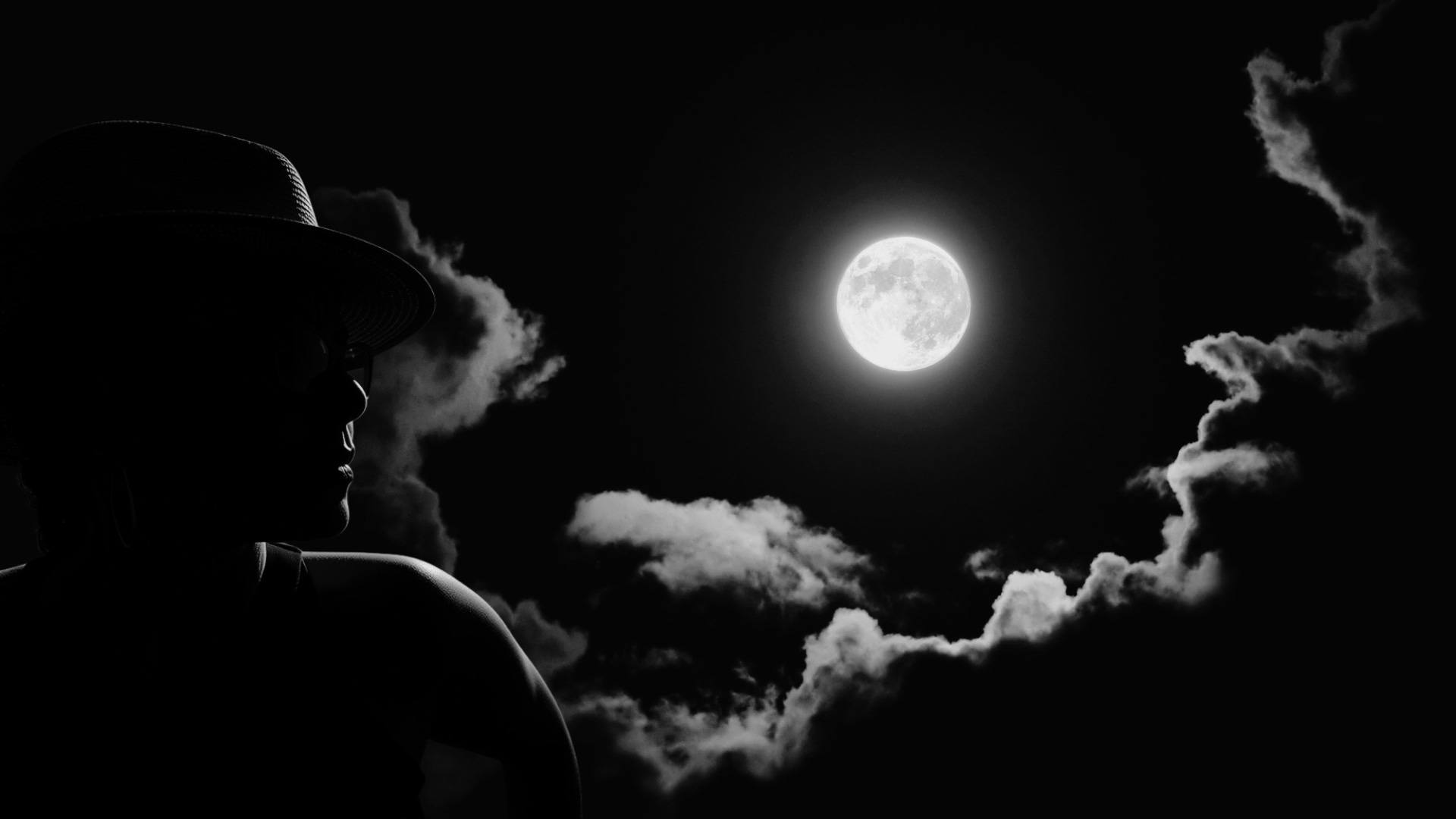
Fullmoon, the piece by Ryuichi Sakamoto, opens with a single sustained tone, no vibrato, no overtones. It is the sound of a tuning fork, which for a moment I mistake for my tinnitus, the whistle that, according to the audiologist, will be with me from now on. Over that note that promises nothing, a voice begins to speak to me: because we don’t know when we will die, it says, we get to think of life as “an inexhaustible well.” (Sakamoto put those words there two years after an oncology ward, recording the album he believed would be his last.) Everything happens a certain number of times, and a very small number, the voice goes on, and then it asks me how many more times I will remember a certain afternoon of my childhood without which I cannot even conceive of my life. Four, five. How many more full moons I have left to watch rise. Twenty, perhaps. And yet it all seems limitless to me.
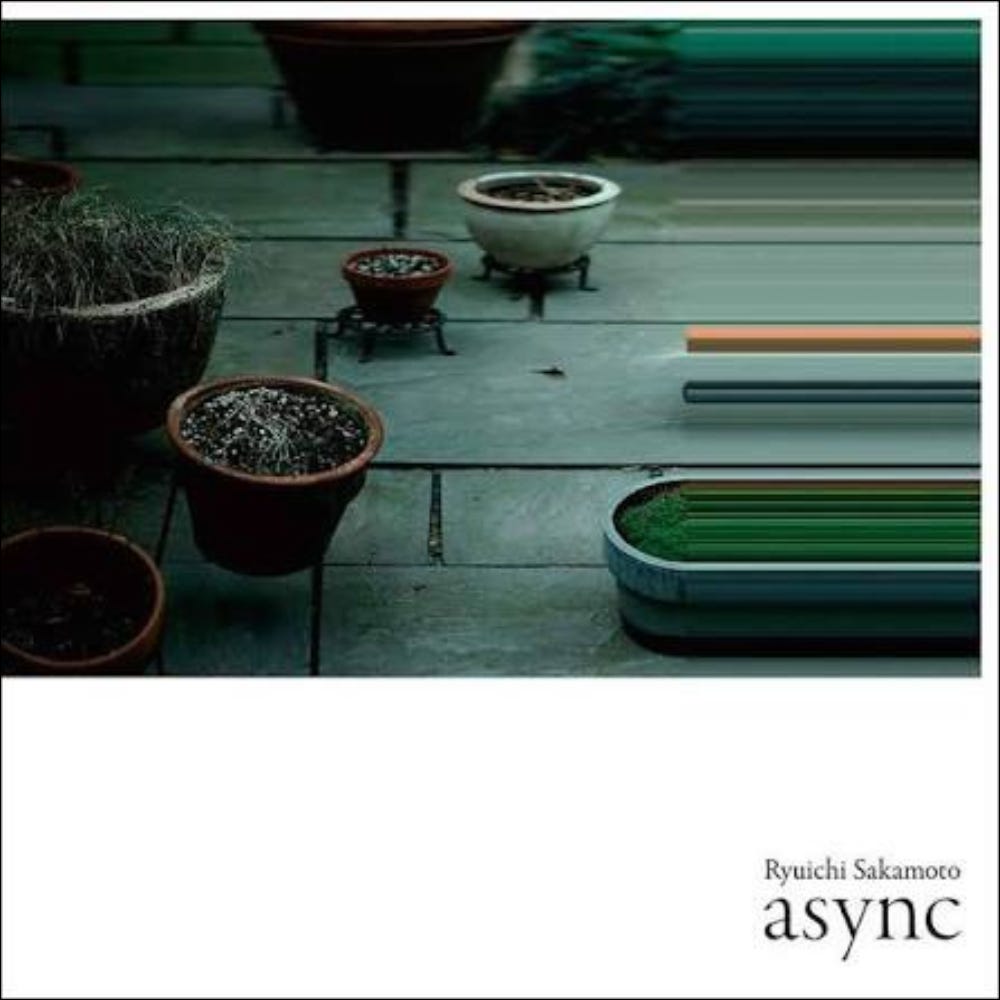
You can listen to Fullmoon on Spotify,
on Apple Music, or your preferred platform.
In case I missed it the first time, Sakamoto repeats the message again and again in different languages. “Cuantas veces más verás salir la luna llena?“ The lines are from Paul Bowles’s The Sheltering Sky (1949), but I will learn that later. The composer had the text whispered in different voices. One over another, so that no one in particular does the counting. Anyone does.
I did the count. It surprised me how little the exercise cost me. Perhaps, like every exile, I learned that arithmetic a long time ago. When you leave behind what you believed was your whole life, you know before everyone else that things happen a counted number of times, because there was a person, on a corner, in a city, whom you saw for the last time without knowing you had already spent the number. Bowles teaches the healthy reader what the cancer patient learns in the operating room, the man going deaf learns in the audiologist’s booth, and the exile learns at the airport.
The “inexhaustible well” now has a technical name: infinite scroll. It is the one promise the screen always keeps. A well that never runs dry. By granting us the right to slide a finger, alternating horror with trifle without moving a muscle, the algorithm nails our gaze to the floor. With a single gesture it charges us the moon. The filter does not distinguish between the mushroom cloud and the full moon: both are reality, and reality, we are told, is optional.
The ground floor of the public building, where politics happens, is not occupied by the one who fears most or the one most distracted; those believe they have no time, or too much of it. It is occupied by the one who knows he can do this only a limited number of times and needs each one to count. The citizen is the one who keeps count.
Cicero wrote De Officiis in the months after Caesar’s assassination, with the first Philippics against Mark Antony already in circulation, knowing his name was already on the general’s sword. It can pass for a treatise on duty. He wrote it as a man who knew his days were numbered.
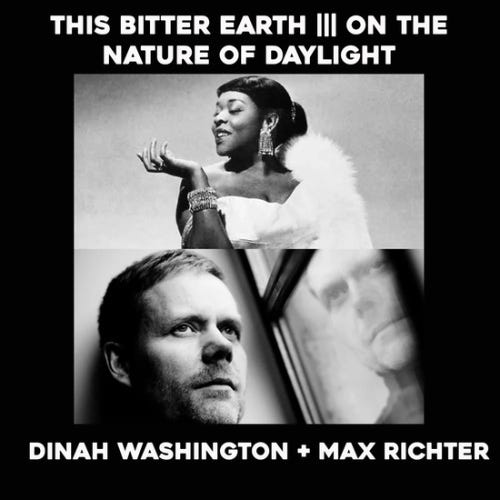
You can listen to This Bitter Earth/On the Nature of Daylight
on Spotify, on Apple Music, or your preferred platform.
The second piece begins. Max Richter rescued a 1960 tape of Dinah Washington singing This Bitter Earth and set it walking, half a century later, over the strings of On the Nature of Daylight. A duet between two eras that never touched: a woman who died at thirty-nine asks, What good am I? The answer lies in the office of keeping count: what I did, how many times, for whom. Wonder and duty are not opposites. Both demand that we look at what is there. And what is there is not optional.
Twenty moons, perhaps. This was one.