


“We will explore. We will build. We will build ships. We will visit again. … But ultimately, we will always choose Earth. We will always choose each other.” — Christina Koch, from Orion, after forty minutes of lunar silence
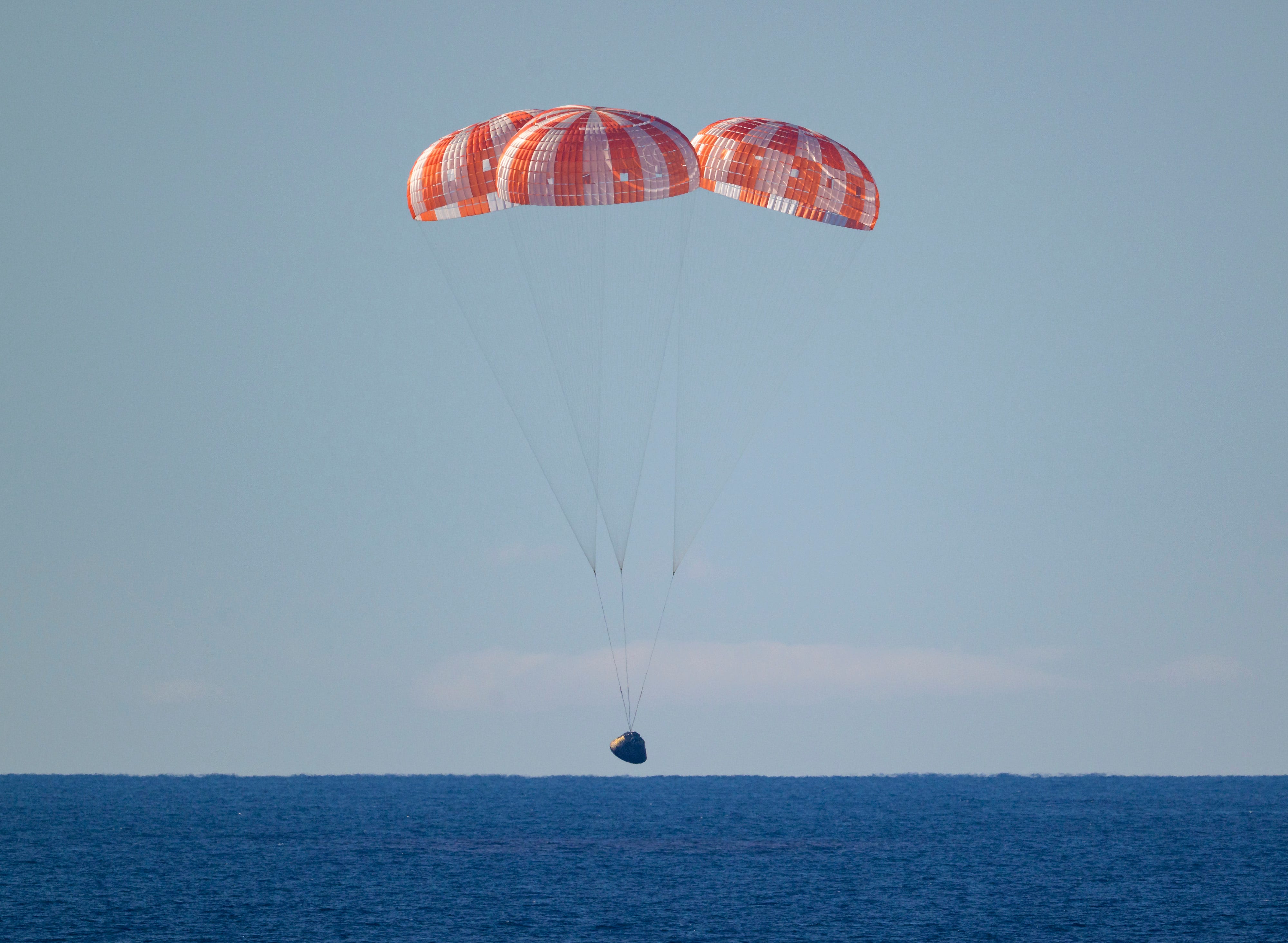
The line came back through static after forty minutes of lunar silence. Orion had emerged from behind the Moon. The crew had gone farther from Earth than any human beings ever have, and before the mission ended with a safe splashdown off San Diego on April 10, Christina Koch said the truest thing yet spoken in the Artemis era: “We will always choose Earth. We will always choose each other.” Artemis II had just proven the machinery. Koch’s sentence named the meaning.
The mission mattered technically: Orion splashed down at 8:07 p.m. EDT, closing a nearly ten-day journey that carried the crew 252,756 miles from home at its farthest point. But the enduring news is that the people who went farthest did not come back preaching escape. They came back reordering ambition.
The decisive word in Koch’s sentence is ultimately. She begins with the old human verbs: explore, build, visit. They are the verbs of shipyards, maps, ports, and frontier speeches. Then comes the turn. Not a rejection. A hierarchy.
What looks like a hymn to expansion is better understood as a statement about what matters most. We may go outward. Our loyalty must remain inward.
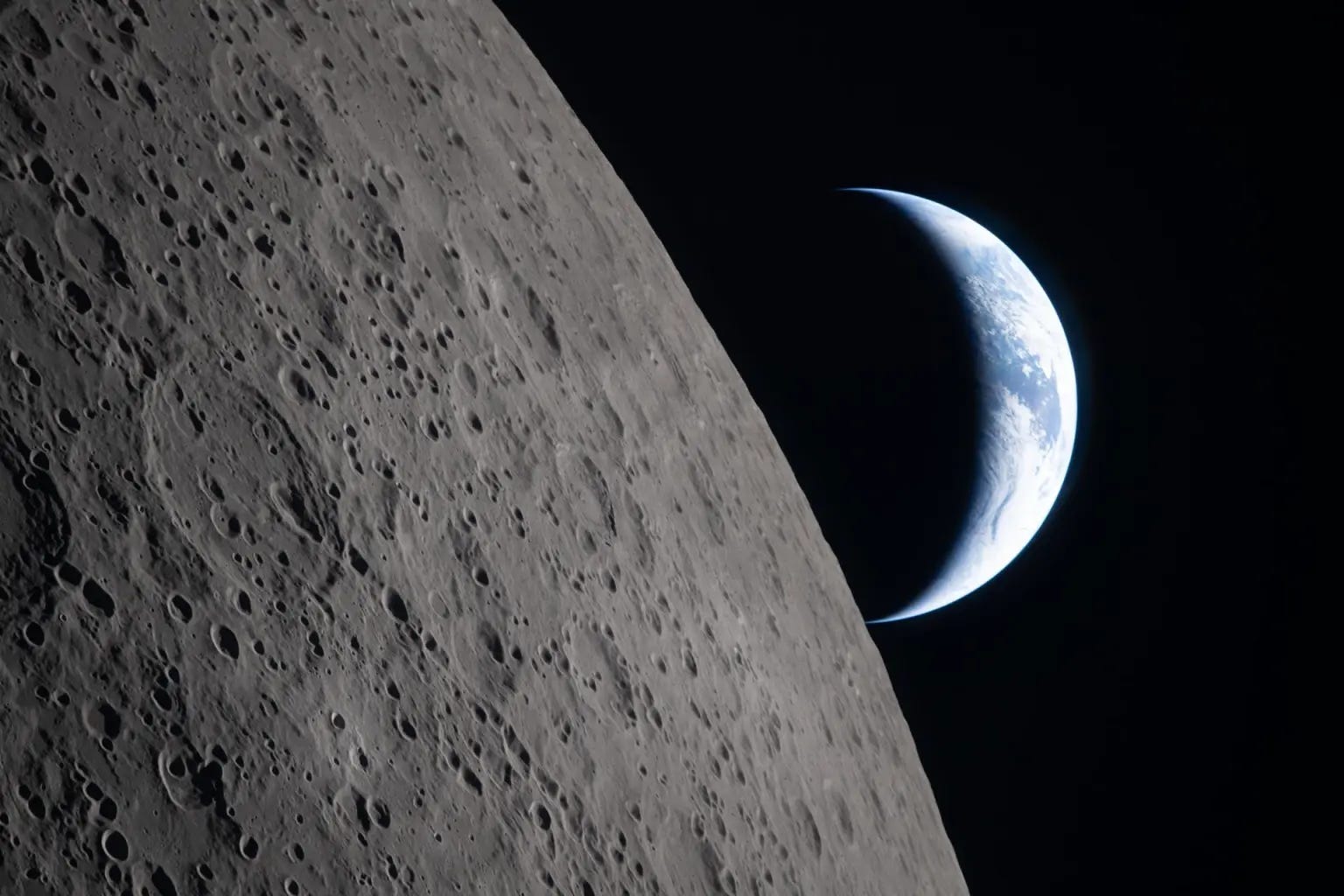
On April 6, the crew photographed a muted crescent slipping behind the cratered lunar edge just as Orion disappeared into forty minutes of silence. An Earthset. From that distance, belonging stops looking theoretical.
The older literature knew this. Odysseus is remembered precisely because he wandered, and wandering without a home becomes punishment. The greatness of the voyage is inseparable from the dignity of return. That is the part our age often forgets. We talk about becoming a multi-planetary species as if distance itself were wisdom, as if a rocket could solve a moral failure. But a spacecraft can widen our horizon without absolving our obligations.
One objection is obvious: Artemis is not a poem by Homer. It’s not The Odyssey. It is budgets, contracts, valves, heat shields, geopolitics, and industrial policy. Friday’s splashdown was itself a high-stakes test. Orion’s heat shield carried known design flaws from the uncrewed Artemis I flight, and the crew rode a modified reentry trajectory to compensate. True enough. But programs this large eventually tell us what kind of civilization is speaking through them.
If spaceflight becomes a theory of escape, our worst habits will simply acquire better optics. If it becomes a discipline of perspective, it may yet make us more worthy of the worlds we touch.
We will build ships. Fine. And I wonder whether, after seeing Earth again as one lit thing in the dark, we can still choose one another here.
The Moon is where Earth becomes unmistakable.
Thank you for subscribing to CICERO and supporting my work. I’ll soon announce new exclusive benefits for the Concilium—paid subscribers. You can now upgrade your subscription or gift one to your friends.